
_edited.jpg)
Understanding Ball Python Care and Safety

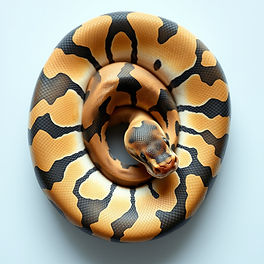
Caring for a ball python can be a rewarding experience, but it also comes with its own set of responsibilities. These fascinating creatures are popular pets due to their manageable size, docile nature, and unique patterns. However, proper care and safety measures are essential to ensure both the well-being of your pet and the safety of those around it. In this blog post, we will explore the key aspects of ball python care, including habitat setup, feeding, health considerations, and safety tips.

Setting Up the Perfect Habitat
Creating a suitable environment for your ball python is crucial for its health and happiness. Here are the key components to consider:
Enclosure Size
A ball python requires a spacious enclosure to thrive. A 20-gallon tank is suitable for a juvenile, while adults may need a 40-gallon or larger tank. Ensure the enclosure has a secure lid to prevent escapes.
Temperature and Humidity
Maintaining the right temperature and humidity levels is vital. The warm side of the enclosure should be between 88°F and 92°F, while the cooler side should be around 75°F to 80°F. Use a reliable thermometer to monitor these temperatures. Humidity levels should be kept between 50% and 60%, with a slight increase during shedding periods.
Substrate and Decor
Choose a substrate that is safe and easy to clean. Aspen shavings, coconut fiber, or paper towels are good options. Provide hiding spots using rocks, logs, or commercial hides to help your python feel secure. Additionally, include climbing branches or plants to enrich the habitat.
Feeding Your Ball Python
Feeding is a crucial aspect of ball python care. Here’s what you need to know:
Diet
Ball pythons are carnivorous and primarily eat rodents. Depending on the size of your snake, you can feed it mice or rats. Juveniles may eat smaller prey, while adults can consume larger rodents. Always ensure the prey is appropriately sized—generally, it should be about the same width as the snake's body.
Feeding Schedule
Younger ball pythons should be fed every 5 to 7 days, while adults can be fed every 10 to 14 days. Monitor your snake's weight and adjust the feeding schedule accordingly.
Feeding Method
You can choose to feed your ball python live or frozen-thawed prey. Frozen-thawed is often recommended for safety reasons, as live prey can injure your snake. If using frozen-thawed, ensure the prey is fully thawed and warmed before feeding.
Health Considerations
Keeping your ball python healthy involves regular monitoring and care. Here are some health tips:
Regular Check-Ups
Schedule annual veterinary check-ups to ensure your snake is healthy. A vet experienced with reptiles can provide valuable insights into your python's health.
Signs of Illness
Be vigilant for signs of illness, such as lethargy, lack of appetite, or abnormal shedding. If you notice any concerning symptoms, consult a veterinarian promptly.
Shedding
Ball pythons typically shed every 4 to 6 weeks. Ensure the humidity is adequate during this time to facilitate a smooth shedding process. If your snake has difficulty shedding, it may require assistance.
Safety Tips for Handling Your Ball Python
While ball pythons are generally docile, safety should always be a priority. Here are some handling tips:
Proper Handling Techniques
Support the Body: Always support your snake's body when handling it. Avoid grabbing it by the tail, as this can cause stress.
Calm Environment: Handle your snake in a calm environment to reduce stress. Avoid loud noises and sudden movements.
Wash Your Hands: Always wash your hands before and after handling your snake to prevent the spread of bacteria.
Understanding Behavior
Learn to read your ball python's body language. Signs of stress or discomfort may include hissing, striking, or attempting to escape. If your snake displays these behaviors, it may be best to give it some space.
Conclusion
Caring for a ball python requires dedication and knowledge. By setting up a suitable habitat, providing a proper diet, monitoring health, and following safety tips, you can ensure a happy and healthy life for your pet. Remember, the bond you build with your ball python is rewarding, and understanding its needs is key to a successful relationship. Whether you are a new owner or an experienced keeper, always strive to learn more about these incredible reptiles. Your commitment to their care will lead to a fulfilling experience for both you and your ball python.


Comments